Start typing to search...
Search for:
Resettlement Policy Resettlement Policy Framework
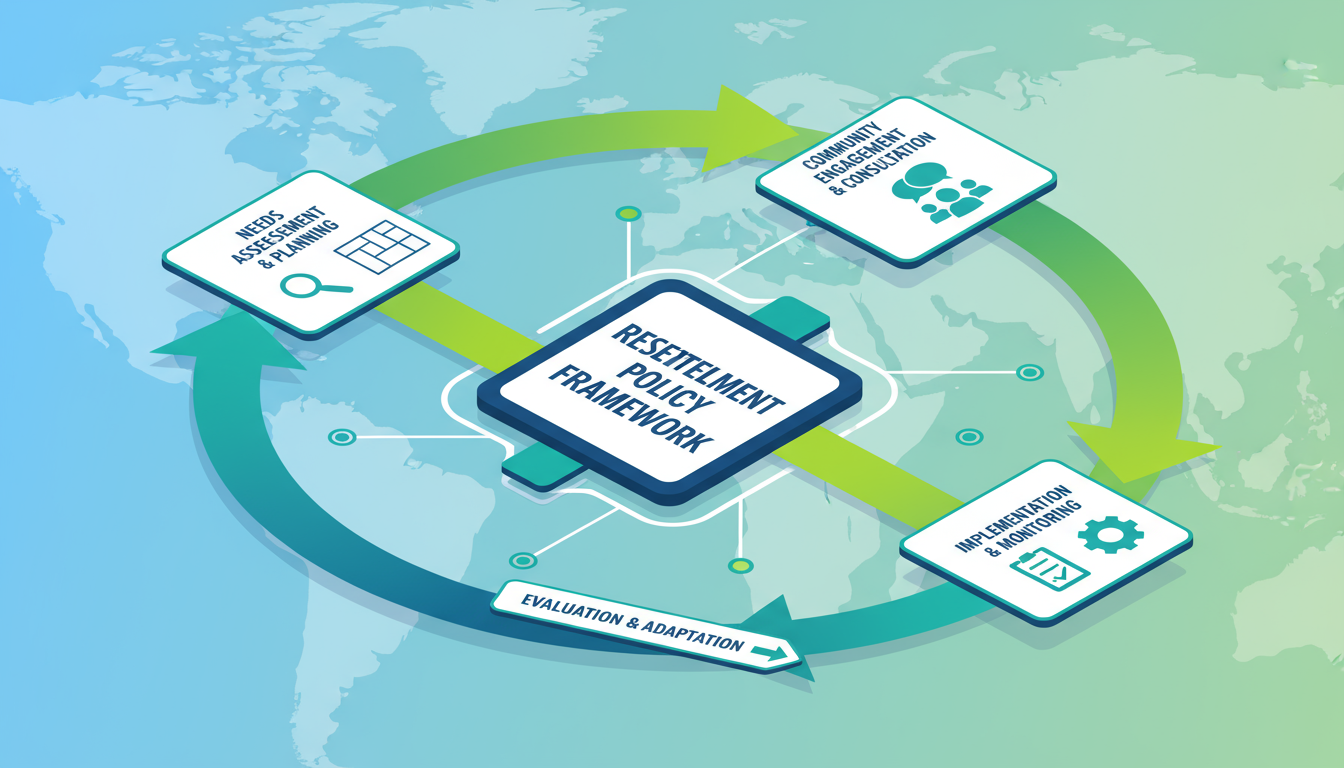
The Western Corridor Resettlement Policy Framework guides how the Mutanda–Kaoma Road Project addresses land acquisition, displacement, and livelihood restoration. It establishes principles and procedures to ensure that affected persons are informed, consulted, and supported to restore or improve their living standards.
Purpose of the RPF
The Resettlement Policy Framework (RPF) outlines the process for implementing the BEL-TC Resettlement Policy and guides the preparation of Resettlement Action Plans (RAPs) where land acquisition or displacement occurs. This framework ensures that all affected persons are treated fairly, with their rights protected and their livelihoods restored or improved compared to pre-project conditions.
This framework ensures that all affected persons are treated fairly, with their rights protected and their livelihoods restored or improved compared to pre-project conditions.
When the Framework Applies
Impact Scenarios
- •Projects causing permanent or temporary social and economic impacts
Resource Changes
- •Projects implemented through the acquisition of land or other fixed assets
Key Principles of Resettlement Planning
Informed Rights
Informed of their rights and options regarding resettlement
Consultation & Alternatives
Consulted and provided with feasible resettlement and compensation alternatives
Full Compensation
Promptly compensated at full replacement cost for their losses
Livelihood Restoration
Supported to restore or improve their livelihoods and living standards
Vulnerable Protection
Special attention given to vulnerable groups and their specific needs
Grievance Mechanism
Access to fair and transparent grievance redressal mechanisms
Community Engagement
The Resettlement Policy Framework emphasizes open and inclusive engagement with communities affected by the Mutanda–Kaoma Road Project. Consultation is central to the planning and implementation of all resettlement and compensation activities. BEL-TC works closely with local authorities and community members in the Kalumbila, Kasempa, Mufumbwe, and Kaoma Districts to ensure that resettlement planning reflects local needs and priorities. Engagement activities include information sharing, household surveys, and participation in preparing Resettlement Action Plans (RAPs). Through these consultations, affected persons are informed of their rights, offered feasible options, and supported to maintain or enhance their living standards during and after project implementation.